

What is Fall Detection and How Does It Work?
Nov 1st 2024
What is Fall Detection and How Does It Work?
Fall detection systems offer peace of mind by automatically calling for help after a fall. These devices use smart sensors and algorithms to differentiate real falls from normal movements, helping to reduce false alarms. The goal is to minimize false alarms while maximizing accuracy for quick assistance.
Medical Care Alert's systems provide robust, automatic fall detection, connecting you to U.S.-based, EMT/EMD Certified agents who know your details and notify loved ones.
Adding fall detection to your personal emergency response system (PERS) can give you and your family peace of mind.
- What Are Fall Detection Devices?
- How Do Fall Detection Devices Work?
- Types of Fall Detection Devices
- Benefits of Fall Detection Devices
- Who Should Wear a Fall Detection Device?
- What to Keep In Mind When Choosing a Fall Detection Device
- Our Medical Alert Devices With Fall Detection
What Are Fall Detection Devices?
Fall detection is a technology added to medical alert devices that calls for help in an emergency. These devices use sensors to monitor movement and send alerts if you or a family member falls. This extra monitoring is critical, given that there are 37 million falls among older adults in the U.S. every year.
Medical Care Alert's devices route to our emergency response center, with dispatch agents alerting loved ones. They often come with other features. You can add a fall detection system to a wearable medical alert device like a watch or necklace, allowing help without pressing a button.
How Do Automatic Fall Detection Systems Know When Someone Has Fallen?
Automatic fall detection systems analyze sudden movements, body positions and force of impact to detect falls. They use sensors and advanced algorithms to differentiate between real falls and normal activities.
These devices use four elements that work together for better support:
Algorithms
Beyond just sensing a person's movement, algorithms act as the brains of fall detection systems. They can spot unique patterns of falls, like acceleration followed by a sudden stop, along with a quick change in body position. They process this information from multiple sensors, called accelerometers and gyroscopes, looking for these indicators:
- Speed and angle of descent: A fall usually involves a fast drop and a big shift in the body's angle.
- Impact: The force when hitting the ground is a major sign.
- Sudden stop after the fall: Many systems also look for a period of stillness right after an impact. This helps confirm a true fall versus just getting up quickly or sitting down.
Our fall detection devices trigger an alert only if they detect that you've moved suddenly. They use these algorithms to help determine if Mom or Dad has fallen or is simply walking, bending or sitting. This intelligent design can minimize false alarms while ensuring your loved one gets a quick response in a real emergency.
Precision Sensors
Fall detection systems use sensors to monitor movements. These sensors detect rapid changes in movement, looking at angle, speed and distance to determine if the person has fallen. Specifically, tiny devices called accelerometers measure changes in speed, while gyroscopes track rotational movements or changes in orientation. Together, these sensors gain a detailed picture of the wearer's motion, helping to accurately detect a fall.
Fall Detection
Fall detection devices use an algorithm and sensors to detect abrupt body movements. They assess body position, physical activity and smoothness. If the technology finds these variables near a danger zone, it will trigger the fall detection alert.
Emergency Response
The fall detection feature will call our emergency response center within seconds of a fall. Highly trained agents will reach out to assess you or your loved one's situation. If you do not respond through the device, the agent will try calling your home or cell phone. If they still cannot reach you, they can dispatch help to your location and notify your listed contacts.
Types of Fall Detection Devices
The basic fall detection device types are wearable and nonwearable. The best device will depend on where you spend most of your time.
- Wearable medical devices: These devices can be worn around the neck, wrist or clipped to a belt. They're ideal for outdoor use, working with mobile networks anywhere there's cellular coverage. Most let you manually contact our emergency response center.
- In-home medical devices: Wall-mounted or free-standing buttons are great for use at home, though a wearable is usually recommended as extra coverage in case your in-home button is not accessible in an emergency.
Benefits of Fall Detection Devices
Fall detection systems can provide you and your family with safety and peace of mind. They offer several benefits:
- Speeds up help to lower the complications that can occur from a fall
- Built into water-resistant devices for use in the shower
- You can add the technology to a current medical alert system for convenience
- You can use and carry the device anywhere in the U.S.
- Offer an extensive range to detect falls
Who Should Wear a Fall Detection Device?
Falls can occur anywhere, any place. While you can reduce the risk of falling, accidents still happen, and it's best to be prepared. The Centers for Disease Control (CDC) reports an increased risk of falling if you or a loved one:
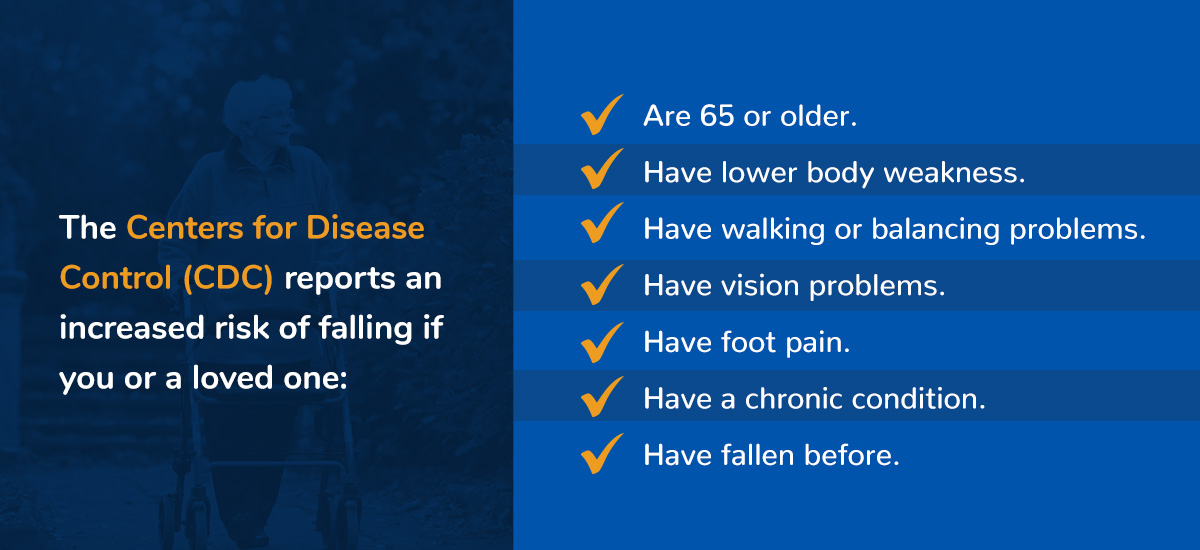
- Are 65 or older.
- Have lower body weakness.
- Have walking or balancing problems.
- Have vision problems.
- Have foot pain.
A fall detection device can also be helpful if you use medications that increase your risk of falling. These can include sedatives or antidepressants or other medications that cause drowsiness.
What to Keep In Mind When Choosing a Fall Detection Device
Consider the following factors when looking for a fall-detection device:
- Range: Ensures sufficient coverage for home use, such as going outside.
- Waterproof: Essential for use in showers or baths where many falls occur.
- Two-way communication: Allows agents to confirm help needed or a false alarm.
- Battery life: Important for on-the-go use.
- Subscription costs: Most devices have a fall detection fee.
- Test and trial period: Choose a device that allows testing before commitment.
Our Medical Alert Devices With Fall Detection
Medical Care Alert offers several devices with automatic fall detection:
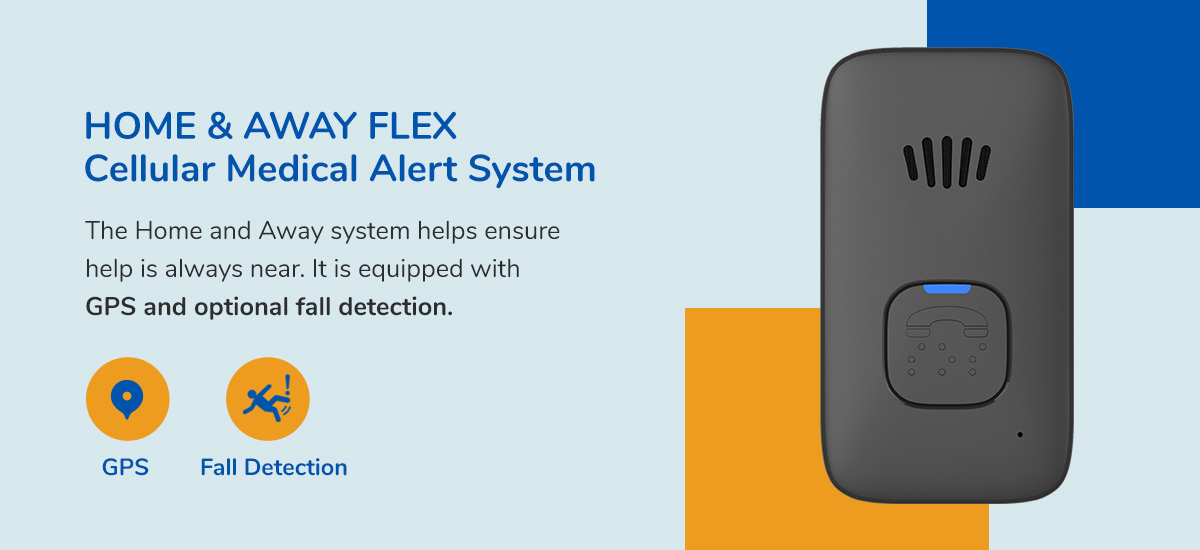
- HOME & AWAY FLEX Cellular Medical Alert System: Equipped with a water-resistant GPS pendant and optional fall detection.
- SmartWatch PRO: Monitors location, heart rate and steps. Just press the button for help and speak into the watch.
- HOME System: Covers living space with shower-safe buttons and an impressive range up to 1,000 feet. It also offers an optional AutoFALL pendant. The cellular version doesn't need a personal cell phone.
Fall Detection FAQs
The following are answers to common questions we receive about fall detection devices:
1. How Accurate Are Fall Detectors?
Fall detection devices are generally accurate at detecting falls. Still, they can have trouble detecting slow or low falls, slumps or crumples. Note that no fall detection system works perfectly 100% of the time. It's best to press the call button during a fall, whether the device is automatic or not.
2. What Triggers Fall Detection?
Our fall detection devices trigger an alert only if they detect that you have moved suddenly. They use an algorithm that analyzes sensor data to help determine if the wearer has fallen or is just walking or sitting.
3. Does Fall Detection Automatically Call 911?
All calls are routed to our emergency response center. Unlike 911, we know who and where you are and have your emergency notification list of family and friends to contact.
4. Does Fall Detection Use Cellular?
Medical Care Alert's cellular service is built into the device. This allows you to make an emergency call wherever you are. In-home systems may use cellular networks but can also use the landline.
Contact Medical Care Alert About Our Fall Detection Systems
Adding fall detection to your medical alert system can give your family peace of mind. Medical Care Alert's systems prioritize your safety and ease of use. After all, "Care" is our middle name and is at the heart of everything we do.
To learn more about which device is best for you, contact us today or call 855-272-1010 for more information.
Free Brochure
By Mail
Or call us at
855-272-1010
