

How Much Does a Medical Alert System Cost?
Medical Care Alert on Sep 21st 2026
Falls are the main cause of injury for adults 65 and older, and 1 in 4 older adults experiences a fall annually. The cost of a medical alert system is likely a big consideration for families wanting to keep loved ones safe and independent.
A typical in-home medical alert system will cost between $29.00 and $35.00 a month; a typical mobile GPS medical alert system will cost between $ 39.99 and $49.00 a month. These systems offer peace of mind by providing 24/7 access to assistance at the touch of a button, which can be invaluable for seniors.
While the features and benefits are clear, knowing the factors that influence pricing can help you make an informed decision. Learn more about the different factors that contribute to the overall cost of a medical alert system below.
Table of contents:
- Breaking Down the Costs of a Medical Alert System
- Monthly Monitoring Services
- Equipment Considerations
- Advanced Features and Add-Ons
- Understanding Potential Contract Terms and Additional Considerations
- Insurance Coverage for Medical Alert Systems
Breaking Down the Costs of a Medical Alert System
Medical alert systems have different costs, including monthly monitoring fees and the price of the actual equipment. The benefits of these systems far outweigh the expenses for many families. Medical alert systems can translate into greater independence for older adults and less worry for caregivers.
Knowing the different components that go into pricing can help you choose a system that gives you more security while fitting your budget. Here are the costs associated with senior alert devices so you can feel confident in your choice:
1. Monthly Monitoring Services
Monthly monitoring is the core recurring cost. This fee provides continuous, 24/7 access to a live emergency response center staffed by trained agents who can send help when your loved one needs it. These aren't just call center operators. They're EMT/ETD-certified professionals who know how to handle medical emergencies and can dispatch the right help fast.
The monthly cost of medical alert devices varies based on the system type. An in-home medical alert system works in and around the house and typically costs less per month on an annual plan. A mobile GPS alert system provides coverage wherever your loved one goes but comes with a higher monthly cost. This is due to the GPS tracking and cellular features, which can help your loved one get support away from home.
When the button is pressed, an agent answers immediately and can talk with your loved one through the device to assess the situation. If help is needed, the agent dispatches emergency services and notifies family members right away. Paying annually instead of monthly may help lower your rate.
2. Equipment Considerations
The cost of the actual medical alert equipment is another factor to consider. Some companies lease devices, some sell them outright, and others bundle the equipment into higher monthly rates. When comparing medical alert system pricing, it helps to figure out if the equipment is an additional charge or part of the standard package.
Most systems are designed to be plug-and-play, so you don't need a professional to install them. However, some advanced systems might offer or require it. They might also charge an activation fee when service begins. It's always best to ask about any one-time fees or if they can be waived, so you have a clear idea of what you will pay up front.
A company that's truly transparent will give you a straight answer on every fee before you sign anything. If you have to dig to find pricing information or if answers feel vague, keep looking. The right company will make it clear what you're signing up for before you commit to a medical alert system.
3. Advanced Features and Add-Ons
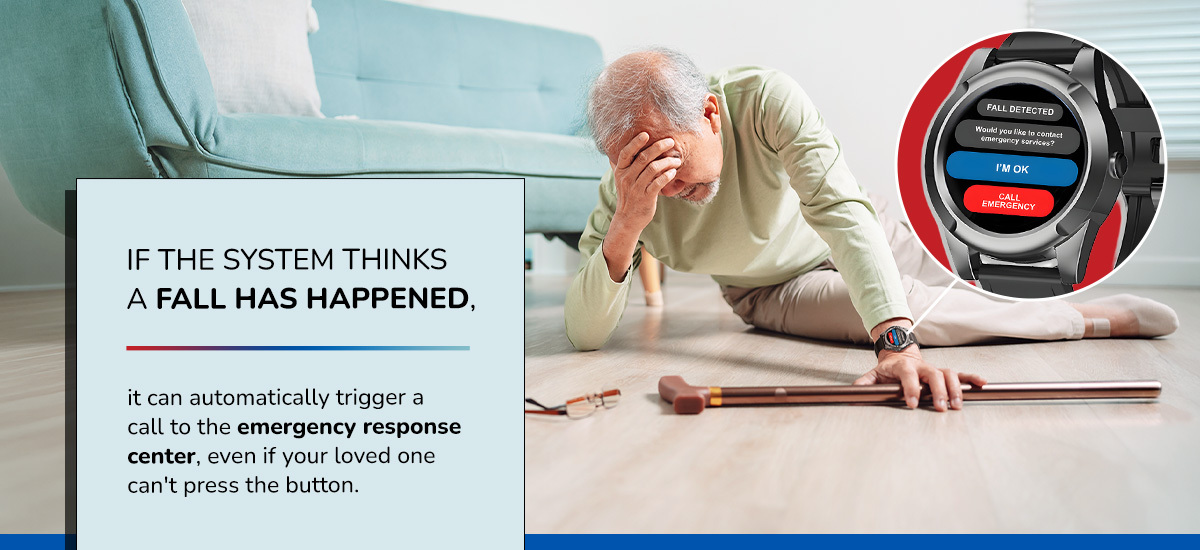
Many medical alert systems offer advanced features and add-ons for even more peace of mind when every moment feels important. These can come at an additional cost. Fall detection technology is one of the most common and valuable add-ons to consider for your medical alert system. This feature uses sensors to detect sudden movements that look like a fall. If the system thinks a fall has happened, it can automatically trigger a call to the emergency response center, even if your loved one can't press the button.
One important note is that while fall detection systems are very beneficial, they are not always 100% accurate. They can occasionally miss falls or trigger false alarms. If your loved one is able to press the button, they should always do that instead of relying on automatic detection alone. Other potential add-ons could include things like voice extenders or additional emergency buttons for different areas of the home.
Understanding Potential Contract Terms and Additional Considerations
When exploring medical alert systems, it's helpful to understand all aspects of the service agreement. Providers could have different approaches to contract lengths and additional charges. Some services might have fees for returning equipment or canceling early, while others might operate on a more flexible month-to-month basis.
It's also important to know whether cellular service, which provides assistance without a traditional landline, is included or is an additional cost. Ask directly about any restocking or cancellation fees or upgrade charges as you compare your options. A transparent provider will clearly outline potential fees or commitments up front so you can choose a plan that best fits your family's changing needs.
Insurance Coverage for Medical Alert Systems
Many families wonder if medical alert systems are covered by insurance. Generally, these systems aren't considered a 'medical necessity' by insurance providers. This includes Medicare and Medicaid. As such, they're typically paid for out-of-pocket.
It's always a good idea to check with your specific insurance plan, as policies can vary. Some long-term care insurance plans might offer partial coverage or reimbursement.
Keep Your Loved Ones Safer With a Medical Care Alert System
Now you can make an informed decision and choose the right medical alert system for your loved one. At Medical Care Alert, our systems start at around just $1 a day. We stand apart on pricing with no hidden fees, no minimum commitment and a price lock guarantee that ensures your rate never goes up. Our equipment comes included at no extra charge for the HOME and HOME & AWAY FLEX systems, and we don't charge activation fees or setup fees. You can also choose Medical Care Alert's fall detection feature, called AutoFALL, as an optional add-on for any HOME, HOME & AWAY FLEX and SmartWatch Medical Alert System plan.
You get 24/7 monitoring from USA-based, EMT/ETD-certified agents, and you can cancel at any time. Your loved one deserves peace of mind, and so do you. Our systems make it easy to get the monitoring and support your family needs without surprise fees or locked-in commitments.
Ready to get started? Call 855-272-1010 or contact us today to learn more about our medical alert systems.
Free Brochure
By Mail
Or call us at
855-272-1010
